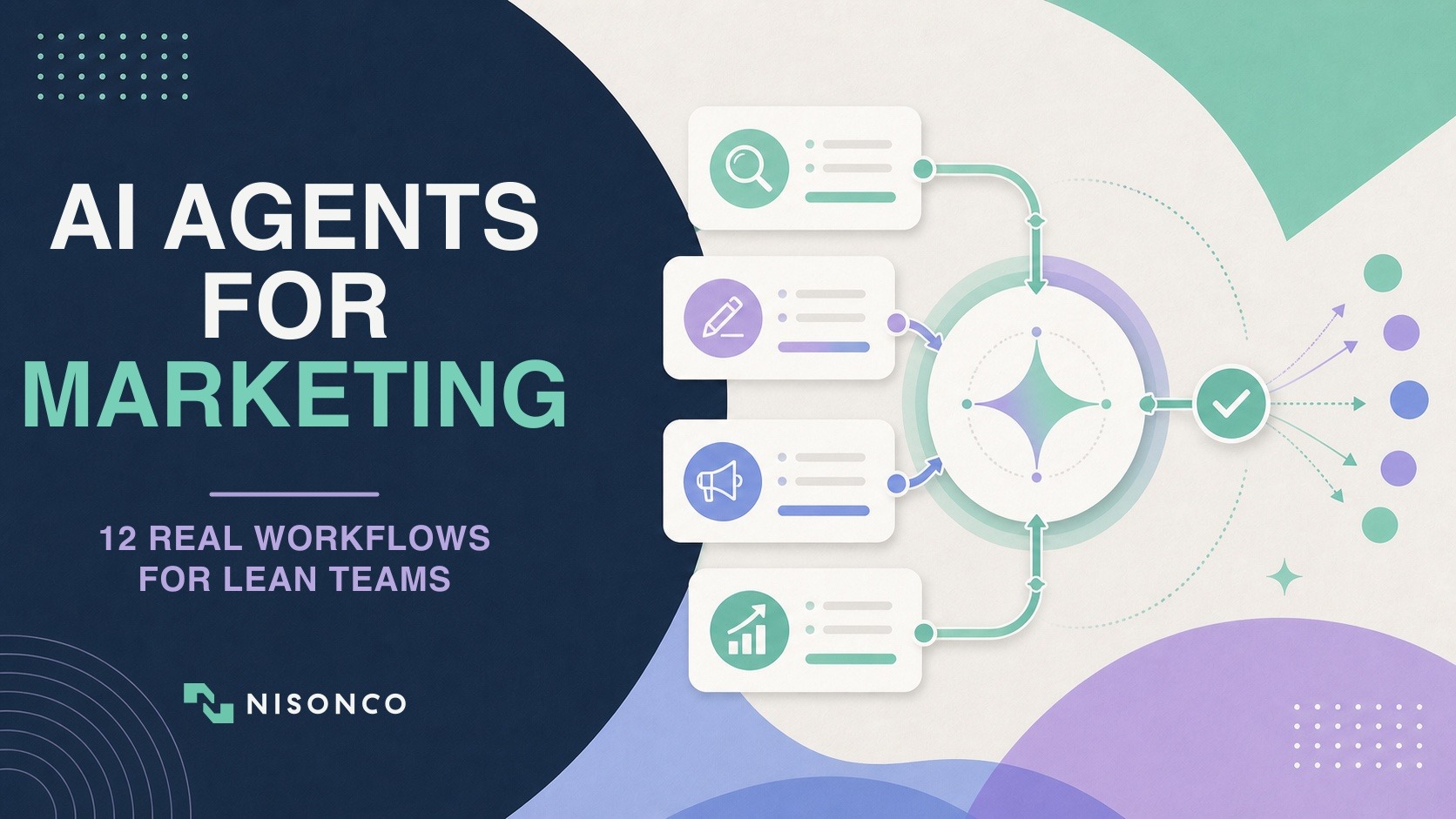
Lean marketing teams face an unpleasant equation: more channels, more content and more reporting—but rarely more people. The right AI agents can take repetitive research, monitoring, formatting and administrative work off the team’s plate while keeping strategy and final approval with people.
Unlike a chatbot that waits for a prompt, an AI agent can monitor for a trigger, gather information, make limited decisions and complete a multistep marketing task across the software your team already uses.
The goal is not to place an unsupervised robot in charge of your brand. It is to give repetitive work to systems that do not get bored while preserving human judgment, creativity and accountability.
NisonCo has deployed dozens of AI tools and agents across marketing, SEO, public relations and business development. In one documented implementation, AI automation helped increase weekly lead generation by 48%, from approximately 270 to nearly 400 leads. It also reduced research and operational expenses by an estimated $30,000 annually. Zapier documented the results in its NisonCo case study.
Those results did not come from asking ChatGPT to “do our marketing.” They came from building narrow agents around specific, measurable workflows.
Quick Takeaways
— Start narrow. AI agents work best when assigned a specific job with clear inputs, outputs and approval rules.
— Automate preparation before decisions. Research, monitoring, content repurposing and reporting are safer starting points than autonomous publishing.
— Solve an existing problem. An agent should improve a real workflow, not create a new process merely because AI is available.
— Assign an owner. Every agent needs a quality standard, a responsible person and a documented fallback when it fails.
— Keep people at consequential checkpoints. Sending outreach, publishing regulated claims and changing campaign budgets should continue to require human approval.
What Is an AI Agent for Marketing?
An AI agent is software that can work toward a defined goal by gathering context, choosing from permitted actions and using connected tools.
A traditional automation follows fixed instructions: When a blog is published, copy its title into a spreadsheet.
An AI agent handles interpretation: When a blog is published, read it, identify its most useful insights, draft distinct posts for LinkedIn, Facebook and X, select the appropriate featured image and send everything to the marketing manager for approval.
The second workflow requires the system to understand an article, distinguish between platforms and create a structured deliverable. It may use an AI model for reasoning, but it also needs access to tools such as WordPress, Google Drive, Slack, a CRM or a social scheduling platform.
The best marketing agent is not the one with the most freedom. It is the one with the clearest job, the right context and an approval process proportionate to its risk.
12 AI Agents a Lean Marketing Team Can Actually Use
— Research agents monitor industry news, discover SEO opportunities and assemble content briefs.
— Production agents draft and refresh content, repurpose articles and review brand or compliance risks.
— Earned-media agents match journalist requests, find brand mentions and develop pitch angles.
— Growth agents discover leads, prepare calls and translate campaign data into useful reports.
1. Monitor Industry News and Emerging Trends
A lean marketing team can lose hours each week scanning newsletters, publications, social platforms and competitor sites for relevant developments. A monitoring agent can perform the first pass.
On a schedule, the agent searches approved sources, removes duplicate stories, categorizes the results and scores each development against the company’s priorities. It can then deliver a concise briefing through Slack, email or a shared document.
NisonCo uses department-specific Weekly Industry News Digest Agents to curate relevant articles and distribute structured briefings internally.
Define the assignment: Tell the agent which markets matter, which sources are credible, what deserves immediate attention and what information must be confirmed through a primary source.
Measure the output: A useful briefing does not say, “Here are 50 articles.” It says, “These five developments matter, this is why they matter and these two deserve action.”
Keep the human checkpoint: A strategist decides which trends deserve a response. The agent identifies signals; it does not determine the company’s position.
2. Discover SEO Content Opportunities
Keyword research involves more than generating a list of phrases. A useful recommendation must account for search demand, ranking difficulty, intent, current rankings and potential overlap with existing content.
An SEO opportunity agent can combine information from Google Search Console, DataForSEO, Semrush and a website’s content inventory. It can identify keywords near the first page, topics competitors cover, pages losing visibility and commercial searches without a suitable service page.
It can also catch one of the most expensive content mistakes: creating a new article that competes with an existing ranking page.
Ask for a decision, not a spreadsheet: A strong output might recommend refreshing an existing URL because it already ranks for related queries, while explaining that creating a second article could divide relevance between two pages.
Keep the human checkpoint: An SEO strategist approves the target page, search intent and content action before writing begins.
3. Build Research-Backed Content Briefs
Once a topic is approved, an agent can assemble the information a writer needs. It can review current search results, company content, customer questions, sales calls, internal documents, competitor coverage and credible primary sources.
The result should be a structured brief containing the search target, audience, recommended angle, outline, sources, claims requiring verification and pages that must not be duplicated.
NisonCo uses connected AI systems to draw from calls, emails, documents and SEO data when creating content. Zapier documented how NisonCo connected Claude to business information through MCP, allowing the team to incorporate firsthand experience into its writing.
Protect what makes the company distinctive: Internal context is often the difference between original content and an article that merely repeats the search results.
Keep the human checkpoint: The writer or strategist approves the brief and decides which internal experiences can be shared publicly.
4. Draft and Refresh SEO Content
AI can accelerate drafting, but “write an article about AI marketing” is not a reliable content workflow.
A better agent begins with an approved brief. It retrieves relevant source material, follows editorial standards, creates the draft and runs a defined quality review. For an existing page, it can compare the live article with current information and recommend targeted updates.
NisonCo’s AI Blog Writer and SEO Content Optimizer includes workflows for blog writing, service-page creation and content refreshing with search data and publishing integrations.
Give the agent bounded work: Useful tasks include turning an expert interview into a first draft, identifying outdated claims, improving headings, adding relevant internal links and preparing a change log for the editor.
Keep the human checkpoint: A qualified editor verifies facts, rewrites weak passages and approves the final content. The agent must never fabricate experience, invent results or cite a source it has not inspected.
5. Repurpose Articles Into Social Content
Content repurposing is a classic “important but never urgent” task. A team spends days producing an article, publishes it and then fails to distribute it consistently.
A social repurposing agent can monitor a website’s feed and create platform-specific drafts whenever new content appears. It can convert the same article into a LinkedIn post, a Facebook introduction, several posts for X, an Instagram caption, a discussion question or a newsletter summary.
The posts should not be identical. Every platform has a different audience, format and conversational rhythm.
NisonCo built a Social Media Content Manager that converts blog content into platform-specific posts using defined brand voices. Zapier’s case study found that an earlier NisonCo agent reduced social content processing from hours to minutes while preserving human approval.
Keep the human checkpoint: A team member reviews every post before publication, particularly when it contains statistics, regulated products or commentary on current events.
6. Review Content for Brand and Compliance Risks
An agent can act as a first-line reviewer before marketing material reaches an editor, executive or compliance professional.
Give the agent an approved library containing brand voice rules, prohibited phrases, required disclaimers, product-claim limitations, industry regulations and examples of accepted and rejected copy.
For cannabis, CBD, health, financial and other regulated categories, the agent can flag medical claims, promises of results, prohibited targeting language or statements that vary by jurisdiction.
Treat this as risk detection, not legal approval: AI can overlook a problem or incorrectly flag acceptable language.
The National Institute of Standards and Technology’s Generative AI Risk Management Profile recommends governance, testing, documentation and appropriate human oversight for generative AI systems.
Keep the human checkpoint: A trained person makes the final compliance decision. The agent highlights possible issues and records what it checked.
7. Match Media Opportunities With the Right Experts
Journalist requests and incoming media emails can generate valuable opportunities, but reviewing every request manually is time-consuming.
A media opportunity agent can monitor approved inboxes, extract the journalist’s topic and deadline, and compare the request with a structured list of client or company expertise.
NisonCo’s Media Opportunity Matcher sends relevant recommendations to Slack with an explanation of the fit and the response deadline.
Require high-confidence matching: The agent should consider subject-matter relevance, publication quality, geographic restrictions, response deadlines, conflicts and whether the proposed expert has credible experience.
Keep the human checkpoint: A PR professional approves the match, contacts the expert and reviews the final response.
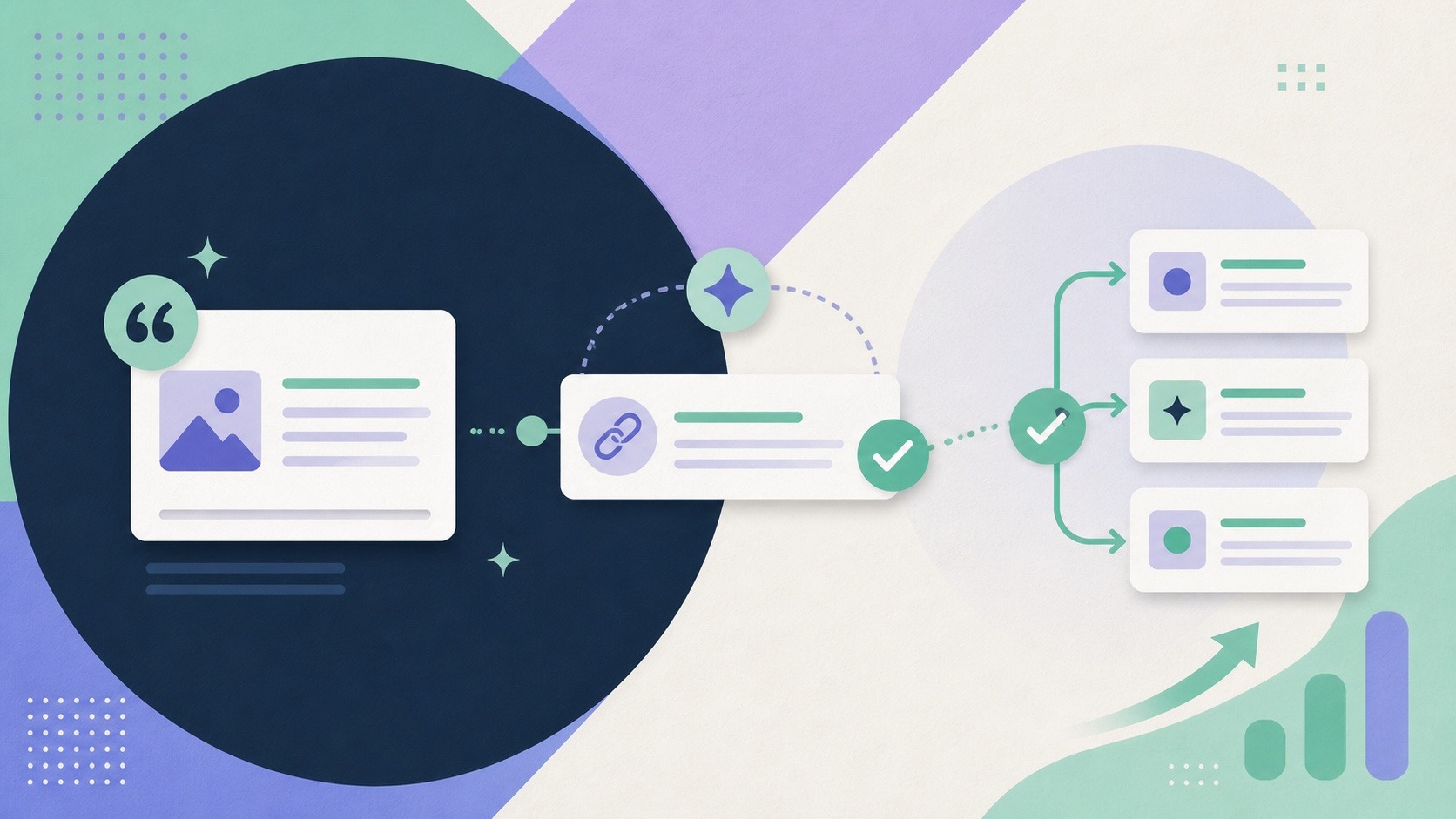
8. Find Unlinked Brand Mentions
Companies are frequently mentioned in articles, directories, resource pages and event coverage without receiving a link.
An unlinked-mention agent can search for brand names, product names and notable executives, then determine whether the referring page already links to the appropriate website. Valid opportunities can be added to an outreach queue.
NisonCo’s Unlinked Brand Mentions Finder uses AI validation to reduce false positives and convert relevant mentions into backlink opportunities.
Demand a concrete output: Each opportunity should include the verified page, the contact path, the reason a link is appropriate and the recommended destination URL.
Keep the human checkpoint: An SEO or PR professional approves outreach targets and personalizes important requests.
9. Develop Timely PR Pitch Angles
AI is useful for expanding and researching ideas, but it should not replace the judgment required to understand what journalists will actually care about.
A PR ideation agent can combine company information with current news, editorial calendars, seasonal events and industry developments. It can then produce possible pitch angles organized by urgency, audience and spokesperson.
NisonCo’s PR Pitch Idea Generator produces several researched angles rather than one generic press-release concept.
Make each idea earn its place: The output should explain the proposed story, why it is timely, the intended publication category, the expert or data needed, supporting sources and weaknesses in the angle.
Keep the human checkpoint: A PR professional chooses the angle, validates its newsworthiness and writes or substantially revises the pitch.
10. Discover and Enrich Qualified Leads
Lead research can consume enormous amounts of time before anyone sends an email.
An agent can monitor signals such as new licenses, funding announcements, hiring activity, conferences, press releases and industry news. When it identifies a relevant company, it can research the official website, find the likely decision-maker and create a structured record.
NisonCo’s Multi-Source AI Lead Generation Pipeline monitors several sources and feeds enriched prospects into one pipeline. It uses confidence thresholds, leaving uncertain fields blank instead of manufacturing contact information.
An honest blank is more valuable than a plausible-looking error.
Protect data quality: The agent should check whether the company already exists in the CRM, appears on a do-not-contact list and fits the target profile. It should also record the source and verification date.
Keep the human checkpoint: A business development or marketing team member validates fit before the prospect enters outreach.
11. Prepare for Calls and Capture Follow-Up
When a meeting is booked, an agent can gather the context needed for a productive conversation.
A call-preparation agent can research the company, summarize recent developments, review prior CRM activity and identify likely service opportunities. After the call, another workflow can analyze the transcript, extract commitments, update the CRM and draft a follow-up message.
NisonCo’s AI Biz Dev Call Prep Agent creates a prospect brief and delivers it through Google Docs and Slack. Related workflows capture follow-up actions so informal promises do not disappear after the meeting.
Prepare for the relationship, not just the call: The brief should include company context, recent announcements, prior conversations, likely pain points, useful questions and potential conflicts.
Keep the human checkpoint: The relationship owner reviews the research, conducts the meeting and approves every external communication.
12. Monitor Performance and Explain What Changed
Marketing reporting is often delayed because collecting and formatting data takes longer than interpreting it.
A reporting agent can connect to approved analytics platforms, collect the same metrics on a schedule and flag significant changes. Instead of producing a passive dashboard, it can explain which pages, channels or campaigns drove the movement.
Agents can monitor search rankings, organic traffic, AI-search visibility, content conversions, lead sources, email performance, social engagement, media coverage and campaign anomalies.
NisonCo’s GEO Tracker monitors whether brands appear across AI answer engines such as ChatGPT, Gemini, Perplexity and Grok.
Separate observation from conclusion: An agent may identify a correlation, but it should not present an untested explanation as fact.
Keep the human checkpoint: A strategist verifies the data, investigates important changes and chooses the response.
How to Choose Your First AI Marketing Agent
Do not start by asking, “Where can we use AI?” Start by asking which repetitive marketing task consumes time, follows a recognizable pattern and produces a clearly defined output.
— Frequency: Does the task happen often enough to justify automation?
— Consistency: Can you describe what a good output looks like?
— Data access: Are the necessary inputs available and organized?
— Risk: What happens if the agent makes a mistake?
— Measurement: Can you compare time, cost or quality before and after implementation?
The best first agent is usually high-frequency, easy to review and expensive in time but low in consequence.
Monitoring news is safer than autonomously publishing commentary about breaking news. Drafting an outreach email is safer than sending it. Flagging campaign anomalies is safer than moving advertising budgets.
A Simple Human-Approval Framework
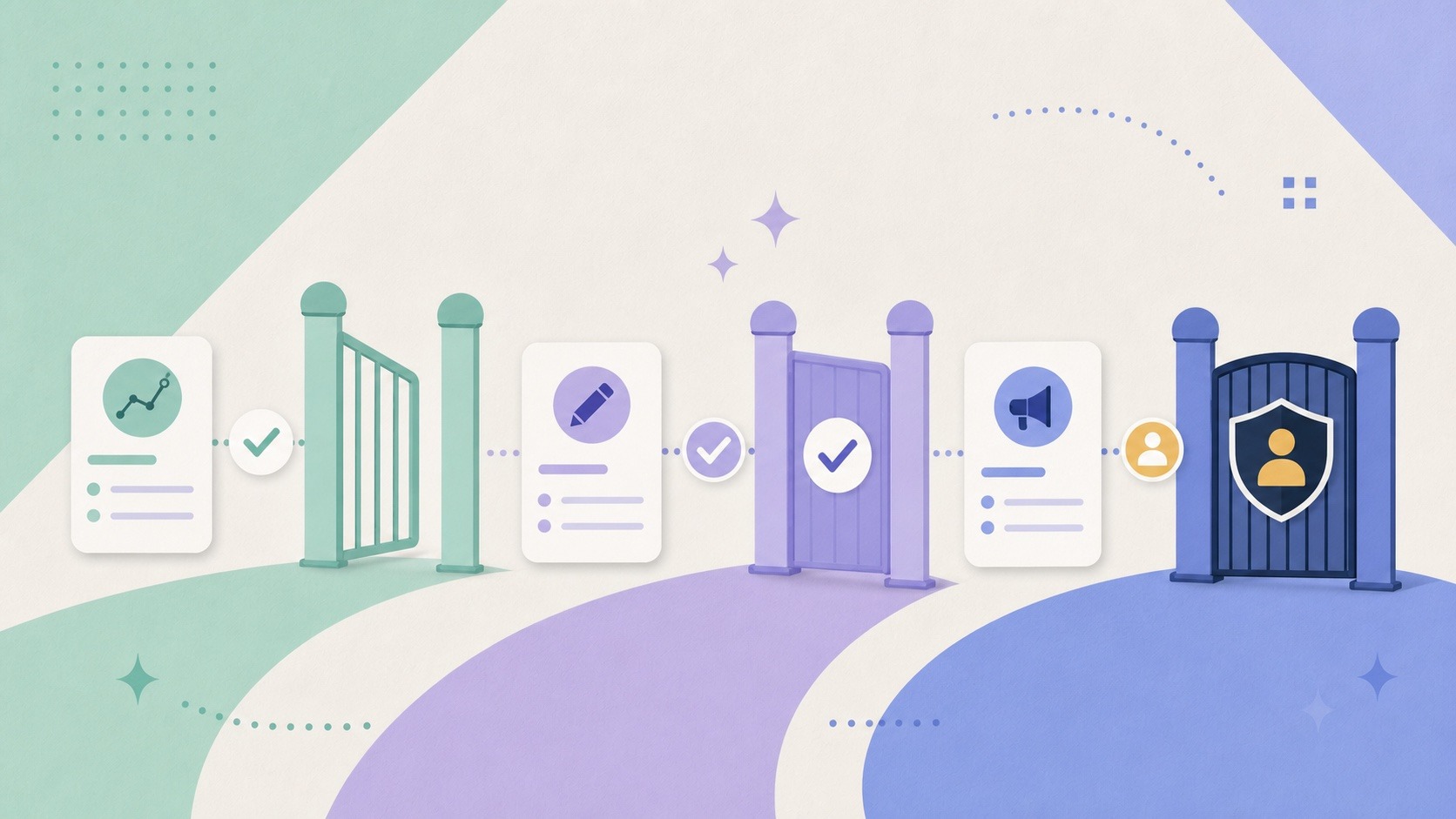
Low Risk: Allow the Agent to Complete the Task
Examples include monitoring public sources, formatting internal reports and identifying duplicate records. Review performance periodically rather than approving every execution.
Medium Risk: Require Review Before the Next Action
Examples include content drafts, lead enrichment, social posts, pitch ideas and optimization recommendations. The agent prepares the work, but a person approves publication, outreach or implementation.
High Risk: Keep a Person Directly Responsible
Examples include legal or medical claims, crisis communication, campaign spending, sensitive personal data and commitments made to clients or journalists. AI may assist, but it should not make or execute the final decision.
Document the operating rules: Record who owns each agent, which systems it can access, what it is prohibited from doing, how its work is reviewed and how the team will know when it fails.
Start Narrow, Then Build a System
One well-designed agent can save a lean marketing team several hours each week. Twelve poorly controlled agents can create twelve new sources of noise.
Start with one painful workflow. Run it alongside the manual process. Compare its accuracy, time and cost. Record common failures and improve the instructions, source data and approval rules.
Once the workflow performs reliably, connect it to the next stage.
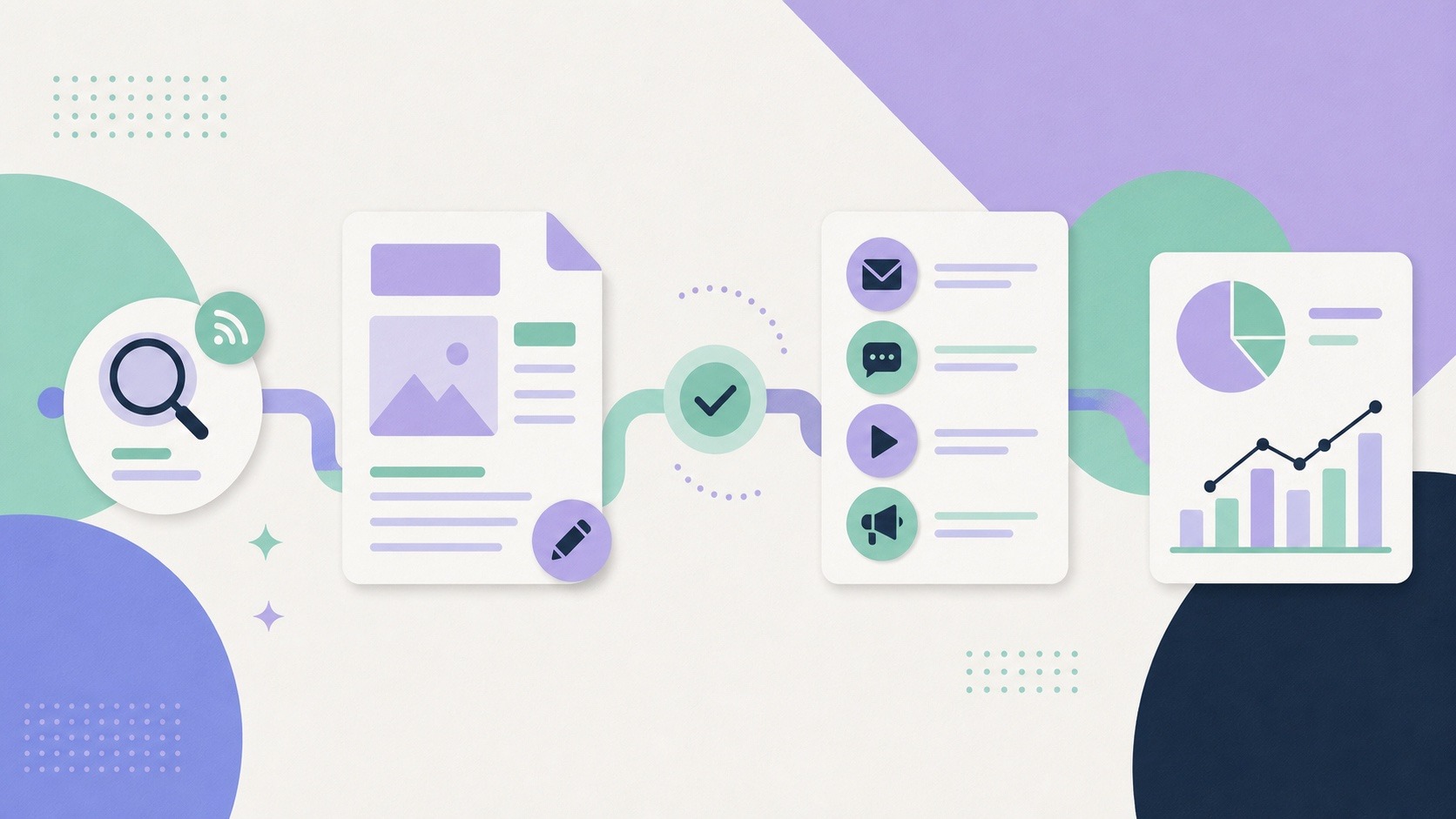
A news-monitoring agent can feed a content opportunity agent. An approved topic can feed a briefing agent. A published article can trigger social repurposing and brand-mention monitoring. Campaign results can flow into a reporting agent.
That is when individual automations become a marketing operating system.
Build AI Agents Around the Work Your Team Actually Does
NisonCo helps marketing teams identify worthwhile AI opportunities, design the right approval structure and build custom agents that work with their existing tools.
The objective is not to automate everything. It is to give a lean team more time for the judgment, creativity and relationships that make its marketing worth paying attention to.