There is no single best cannabis PR firm. There is the firm that fits your goal, your market, your budget and the way you like to work. A multistate operator preparing for a funding announcement needs something different from a dispensary that wants local press, and both need something different from a hemp brand trying to reach national lifestyle editors.
This guide shows you how to choose: what a good firm should do, the types of firms you will meet, how a firm’s use of AI affects what your budget buys, the questions to ask, the red flags and the common pricing models. Use it to build and test your own shortlist.
Disclosure: NisonCo is a cannabis PR firm. We wrote this guide so you can use it on any firm you are considering, including us.
Quick Takeaways
- Start with the result you need (customers, investors, partners, executive visibility), then look for a firm that has done that kind of work.
- Ask to see recent coverage the firm earned for cannabis clients, not just logos.
- Find out who will actually do your work and how often you will hear from them.
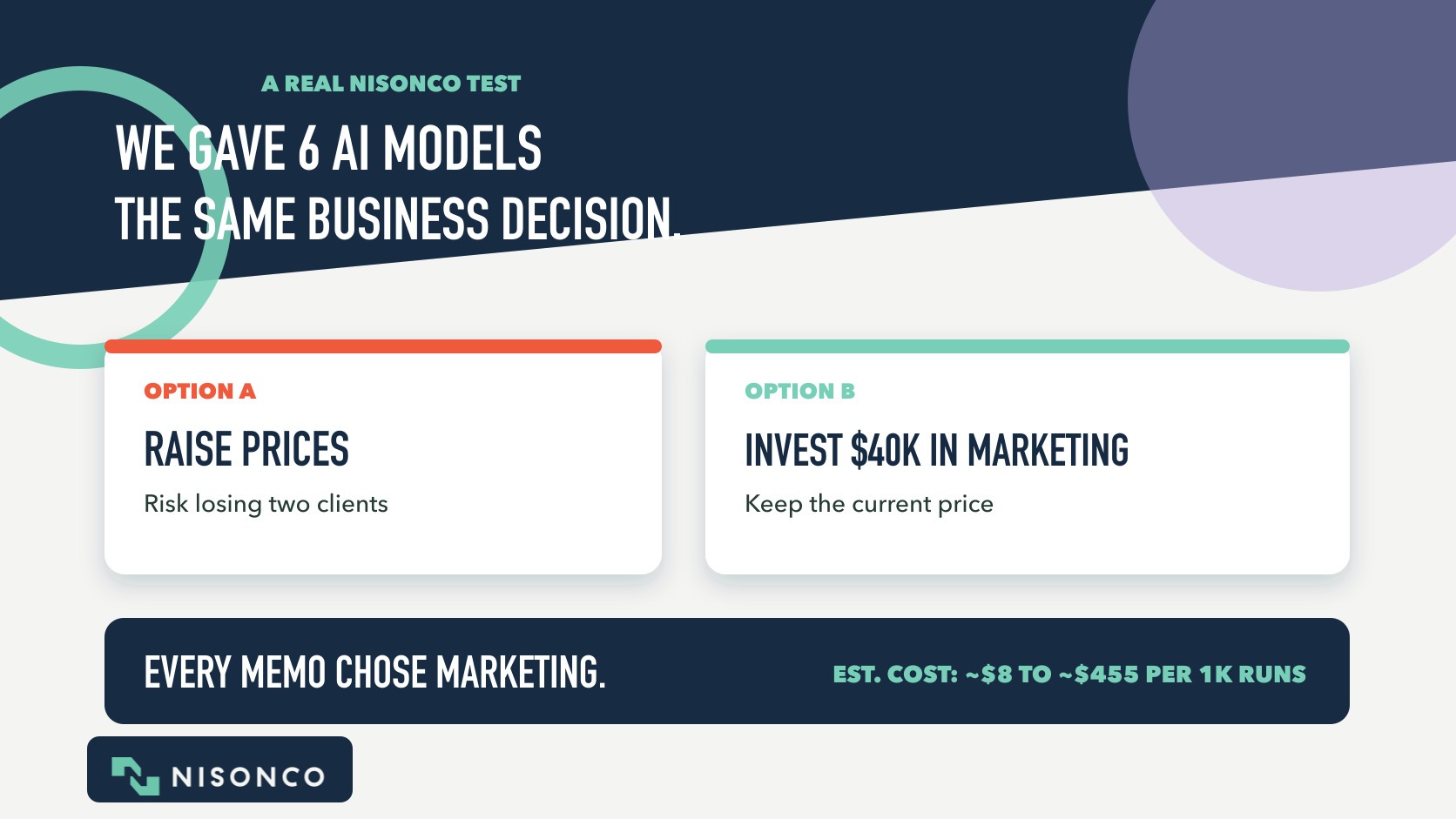
- Ask how the firm uses AI. A good answer names specific tasks, says who reviews the output and explains what the saved time buys you.
- Be wary of anyone who guarantees earned coverage. Paid placements are a different product and should be labeled as such.
- Most firms quote custom prices. Compare scope, people and reporting, not just the monthly number.
What a Cannabis PR Firm Should Do for You
A cannabis PR firm earns attention you do not pay for directly: news coverage, interviews, bylined articles, awards, reviews and mentions in the publications your buyers, investors and partners read. Because paid ads are restricted on many major platforms for cannabis, that earned visibility often carries more weight than it would in other industries.
In practice, most engagements combine some of these:
- Media relations. Pitching your news, products and experts to reporters who cover cannabis and the mainstream reporters who now write about the industry.
- Thought leadership. Bylined articles, expert commentary and speaking opportunities for your executives.
- Announcements. Funding, launches, expansions, partnerships and hires, written so a reporter can use them.
- Awards and reviews. Submissions and reviewer outreach that add credibility markers.
- Crisis and issues work. A plan for recalls, regulatory actions and bad press before you need it.
Coverage is not the end goal. A good firm connects the work to something you care about, such as more search visibility, investor conversations or wholesale inquiries. If you are still deciding whether PR is the right spend at all, read Cannabis PR ROI: Is Public Relations Worth It in 2026? first.
Types of Cannabis PR Firms
Most searches for the best cannabis PR firms turn up lists, and most lists are written by a firm on the list. A more useful starting point is the type of firm, because each type suits a different need.
| Type of firm | What it usually offers | Often a good fit for | What to check |
|---|---|---|---|
| Cannabis-focused PR firm | Media relations, announcements and thought leadership built around the cannabis industry and its rules. | Operators and brands whose main audience is the cannabis trade, investors or cannabis consumers. | Recent coverage in mainstream outlets too, if you need reach beyond trade press. |
| General PR agency with a cannabis practice | A larger team and broader media contacts, with a group that handles cannabis clients. | Larger companies, public companies and brands that need national business or consumer coverage. | Who on the team has cannabis experience, and how much of their time you get. |
| Integrated agency (PR plus SEO or marketing) | PR combined with search, content or AI search visibility under one plan. | Companies that want coverage to also build search and AI visibility. | Whether the PR work stands on its own, and how results are reported across channels. |
| Investor relations or communications firm | Investor messaging, financial media, crisis and public affairs work. | Public or fundraising companies and businesses facing regulatory or reputation issues. | Whether they also handle consumer or trade media, if you need it. |
| Freelance publicist or consultant | Hands-on pitching or advice from one experienced person. | Smaller budgets, single launches, or teams that want coaching. | Capacity, backup coverage when they are unavailable, and recent placements. |
| In-house communications hire | A full-time person who learns your business deeply. | Companies with steady news flow and the budget for a salary. | Whether one person can cover writing, pitching and reporting alone. |
How to Choose a Cannabis PR Firm
1. Match the firm to your goal
Write down the one result you want in the next six to twelve months. “Get our CEO quoted in business press before a raise” leads to a different firm than “get our new edible line reviewed by consumer outlets.” Ask each firm which of its past engagements looked most like yours.
2. Check cannabis knowledge, not just cannabis interest
Cannabis rules vary by state and by product. A firm should know which claims you cannot make, which audiences you cannot target and when a story needs your compliance team or lawyer to review it. Ask how they handle health claims and age restrictions in press materials.
3. Look at recent, relevant coverage
Ask for three to five recent placements for cannabis clients, with links. Look at the outlet, the date and whether the client was the subject of the story or a passing mention. Coverage from several years ago tells you less about the firm’s current relationships.
4. Meet the people who will do the work
The person who sells you the engagement is not always the person who pitches your story. Ask who writes your pitches, who talks to reporters and how much senior time your account gets each month.
5. Agree on reporting before you start
Good reporting shows what was pitched, what ran, where it ran and what happened after (traffic, search visibility, inbound inquiries where you can track them). Agree on the format and the cadence in the proposal.
6. Decide whether you need PR alone or PR with search
Coverage now feeds Google results and the AI answers people get from ChatGPT, Perplexity and Google AI Overviews. Some firms only do earned media. Others pair it with SEO or digital PR. Neither is right for everyone, but you should know which you are buying.
How the Firm Uses AI to Stretch Your Budget
If you want your PR budget to go further, ask each firm how it uses AI. Used well, AI takes over slow, repetitive work so more of your money goes to the parts that need a person, like shaping your story and dealing with reporters. Used badly, it produces generic pitches that editors delete. The answer tells you a lot about how the firm will spend your hours.
Where AI can save time on a PR account
- Media research. Finding reporters who recently covered your topic and summarizing what they wrote, so pitches go to the right people.
- Monitoring. Tracking coverage, mentions and competitor news, and flagging what needs a response.
- First drafts. Early versions of press releases, pitch variations, bylines and briefing notes that a person then rewrites.
- Reporting. Pulling together what ran and where, so building the report takes less of your budget.
- AI search checks. Seeing how ChatGPT, Perplexity and Google AI Overviews describe your company, and whether your coverage is shaping those answers.
What should stay with people
- Reporter relationships. Editors respond to people they trust, not to volume.
- Final pitches and quotes. Anything that goes to a reporter or carries an executive’s name should be written or edited by someone who knows your business.
- Compliance review. AI tools don’t know your state’s rules on health claims or age restrictions. A person, and your counsel where needed, should check every claim.
- Fact checking. AI can state wrong things with confidence. Every fact sent to a reporter should be checked against a real source.
What to ask
- Which parts of our account will use AI, and which will not?
- Who reviews AI-assisted work before it reaches a reporter or gets published?
- Will the time AI saves go into more outreach, a lower fee, or both?
- Will any of our confidential information go into AI tools, and which ones?
- Can you show us a recent media list or report your team produced this way?
A firm should be able to explain how its use of AI changes what you get for your money. Be wary of one that promises guaranteed savings or guaranteed coverage because of it. And if a firm uses no AI at all, ask how it keeps research, monitoring and reporting from eating hours you are paying for.
Questions to Ask Before You Sign
- Which of your current or recent clients is most similar to us, and what did you do for them?
- Can you show recent coverage you earned for cannabis clients, with links?
- Who will work on our account day to day, and how much of their time do we get?
- Which reporters and outlets would you approach first for our story, and why?
- How do you handle compliance review for press materials in our states?
- What will you report on, and how often?
- What happens if a pitch gets no response for a month? What do you change?
- Do you work with any of our direct competitors?
- What is the minimum term, and how do we end the engagement if it is not working?
- Is any of the coverage you are proposing paid or sponsored? If so, how is it labeled?
For a deeper look at the media side of these answers, see how to secure cannabis media coverage with a strong PR strategy.
Red Flags to Watch For
- Guaranteed earned coverage. Reporters and editors decide what runs. A firm can guarantee effort and quality, not an editor’s decision.
- Paid placements sold as earned media. Sponsored content can be a reasonable purchase, but it is a different product. The FTC’s native advertising guide explains when a disclosure is needed so readers know content is advertising. Ask which is which.
- Mass-produced AI pitches. A plan to send hundreds of near-identical AI-written pitches wears out reporters’ patience, and your company’s name goes with it.
- Logos without links. A wall of outlet logos is not the same as recent stories you can read.
- No plan for compliance. If the firm cannot explain how it avoids prohibited claims, you carry that risk.
- Vague reporting. “Impressions” and “reach” alone, with no list of what ran and where, make it hard to judge the work.
- Long lock-ins with no exit. A minimum term can be fair. A contract you cannot leave for a year if nothing happens is not.
How Cannabis PR Firms Price Their Work
Most cannabis PR firms quote custom prices, so published price lists are rare. You will usually see one of these models:
| Model | How it works | Good fit when | Watch for |
|---|---|---|---|
| Monthly retainer | A fixed monthly fee for an agreed scope of ongoing work. | You have a steady flow of news and want ongoing media relations. | A scope that does not say what is included each month. |
| Project fee | One price for a defined piece of work, such as a launch or announcement. | You have a single moment to support. | Unclear end dates and extra charges for follow-up. |
| Hourly | You pay for time used. | You need advice or occasional help. | Costs that are hard to predict. |
| Pay per placement | You pay when coverage runs. | You want to pay only for results. | Pressure to chase easy, low-value placements, and confusion between earned and paid content. |
| Sprint or fixed-term program | A defined campaign over a set number of weeks. | You want to test a firm before a longer commitment. | What is guaranteed, and whether any of it is sponsored. |
Whatever the model, compare proposals on the same things: who does the work, what they will deliver, how they will report and how you can end the engagement.
How to Compare Your Shortlist
Once you have two or three firms, put their answers side by side. A simple scorecard keeps the decision about your needs instead of the best sales pitch.
| What to compare | What to ask for | What a strong answer looks like |
|---|---|---|
| Fit with your goal | A past engagement like yours | A specific example with what they did and what changed |
| Recent coverage | Three to five linked stories from the past year | Relevant outlets, your kind of company as the subject |
| Team | Names and roles of the people on your account | Clear owners and a realistic time commitment |
| Use of AI | Where they use it and who checks the work | Specific tasks, a named reviewer and a clear answer on what the saved time buys you |
| Compliance | Their review process for claims | A process that includes your counsel where needed |
| Reporting | A sample report | What ran, where, and what it did for your goal |
| Terms | The draft agreement | A clear scope, a fair minimum term and a way out |
Where NisonCo fits
NisonCo is an integrated firm. Our cannabis PR page lists media relations and press releases, awards and recognition, thought leadership and editorials, and product reviewer outreach, and we pair PR with cannabis SEO, AI search visibility and AI in our own workflow, so your budget goes to whatever actually moves your goal forward. We will tell you when a different mix would serve your goal better than PR alone, and pricing is scoped to each engagement.
Our older checklist, 5 considerations before engaging a cannabis PR firm, covers some of the same ground in shorter form.
Frequently Asked Questions
What is the best cannabis PR firm?
There is no single best firm for every company. The best fit has done work like yours recently, can show the coverage, and puts experienced people on your account. Published rankings can help you find names, but check who wrote each list, how it was made and how recent it is.
How much does a cannabis PR firm cost?
Most firms quote custom prices based on scope, so there is no standard rate. Ask each firm to price the same scope so you can compare proposals fairly.
Can a PR firm guarantee coverage?
Not for earned coverage, because editors decide what runs. Some firms sell paid or sponsored placements, which can be guaranteed because you are paying for the space. Make sure you know which one you are buying.
Should I hire a cannabis-specific firm or a general PR agency?
A cannabis-specific firm, or a general agency with a real cannabis practice, will already know the advertising limits, claim restrictions and reporters who cover the industry. A general agency without that experience may learn on your budget.
Should a cannabis PR firm use AI?
It can help, as long as people stay in charge. AI is useful for media research, monitoring, first drafts and reporting. Reporter relationships, final pitches and compliance review should stay with experienced people. Ask each firm where the time it saves shows up in your account.
How long before PR shows results?
It depends on your news and the market. Agree on what progress should look like at 30, 60 and 90 days before you start.