
What is Google Map Pack?
For local search engine optimization (SEO), building authority in the Google Map Pack is essential to dominate local search results. Also known as the Local 3-Pack, this highly coveted feature displays the top three location-based results that appear on the first search engine results page (SERP) alongside other high-ranking links. Understanding how to improve Google Maps ranking enables brands to capture new customers in their target area and establish higher-level trust through enhanced visibility. Mastering these local SEO strategies can transform your local search presence and drive consistent foot traffic to your business.
By leveraging Google Map Pack optimization tactics, businesses can significantly boost their local SEO authority and connect with customers actively searching for their services nearby. This comprehensive guide explores proven strategies to help you rank higher in Google’s local search results and build the location authority your business needs to thrive. New to local SEO as a concept? Check out our beginner’s guide first.
1. Conduct Competitor Research
Brands are going to tremendous lengths to rank for the top spot on the Google Map Pack and beat out the competition. The competition is so stiff that recently, an El Paso-based dental office took SEO strategies in a bold direction, establishing itself as “Dentist Near Me”. Such a tactic could backfire as an SEO strategy by taking the game too literally, but it signifies the gloves have come off and businesses are ready to take on their competitors head-on.
To make an impact with your local 3 pack SEO strategy, conduct high-quality competitor research. Researching tactics your competitors use, including keyword research to find geo-targeted keywords specific to local service offerings, provides valuable insight into how customers discover businesses like yours. This competitive analysis allows you to understand what you’re up against, where you’re currently ranking, and how to shape your next strategic move. Our SEO competitive analysis guide can help you develop a comprehensive approach to understanding your local market positioning.
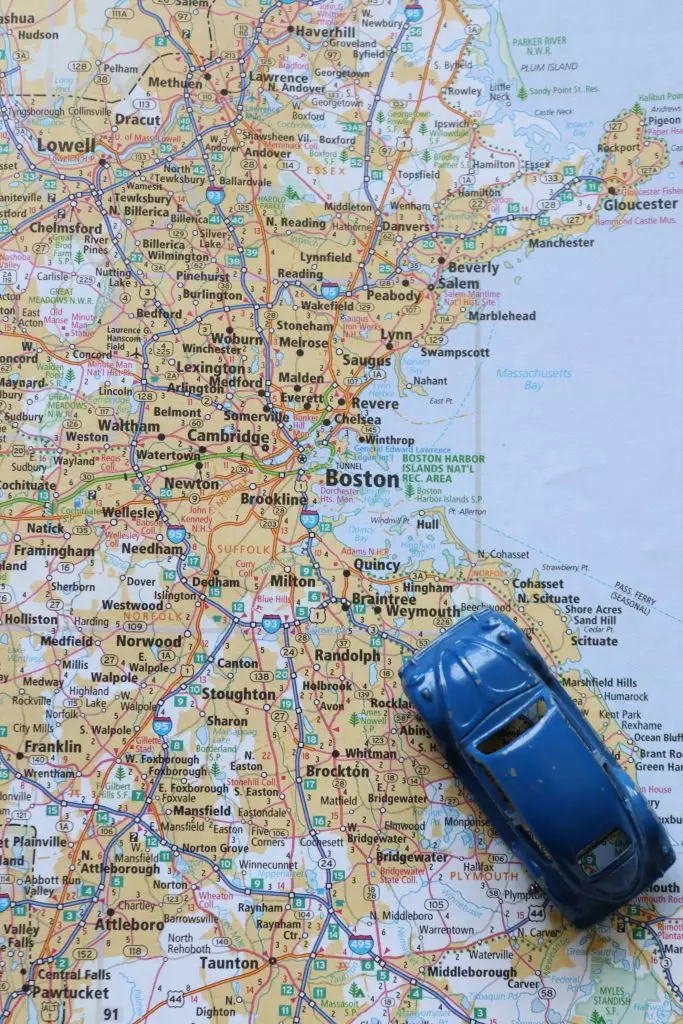
Photo by NisonCo PR and SEO on Unsplash
2. Optimize Your Google Business Profile
After conducting impactful competitor research, put your business on the map by setting up and optimizing your Google Business Profile (formerly Google My Business). This free tool is essential for building Google location authority and appearing in local search results. Fill out comprehensive information to ensure your business is properly qualified and accurately represented in Google’s local ecosystem.
Claim your business listing and drop a pin to precisely locate your business for customers. Accurately pinning your business location is critical because it legitimizes your business presence, making it easier for customers to find you and share your information with others. According to recent local SEO best practices, maintaining an optimized Google Business Profile with consistent NAP (Name, Address, Phone) information is one of the most important Google Map Pack ranking factors for establishing location authority on Google Maps.
3. Generate Google Business Profile-Friendly Content
Once your Google Business Profile is set up, it’s time to create content that supports your local SEO efforts and helps you get into the Google local pack. Curating Google Business Profile-friendly content can significantly impact your website’s performance through search engine results pages. Create content that addresses what your services can do, showcases your expertise, and answers common customer questions. For example, if you’re a local vegan restaurant, you could create a blog that directs vegans to food options near them, then connect your Google Business Profile products and services directly to your website to provide extra ranking signals.
Another effective content creation method involves creating driving directions from your target area to your business location. This reveals to customers in a specific geographic area easy instructions to guide them to your business, acting as clear real-world signals that strengthen your local relevance. Additionally, publishing location-specific blog posts, service area pages, and local news updates demonstrates to Google that your business is actively engaged with the community you serve.
4. Focus on EAT Signals
In the realm of SEO, EAT stands for Expertise, Authoritativeness, and Trustworthiness. To enhance your local SEO and improve your Google Maps ranking, you need to demonstrate authority in your local market. By employing strong EAT signals, you build the foundation for sustainable visibility in local search results. This strategy relies heavily on off-site SEO tactics such as building citations, increasing mentions in business directories, earning positive reviews about your service, maintaining active social media engagement, and acquiring high-quality backlinks from local organizations and industry partners.
This comprehensive approach to building local domain authority works best when implemented as a long-term strategy by fostering genuine connections within your community. Participate in local events, sponsor community initiatives, earn coverage from local news outlets, and build relationships with complementary businesses. These authentic community connections translate into the digital signals that Google uses to evaluate your local authority. Consider partnering with our local SEO services team to develop a comprehensive EAT strategy tailored to your market.
5. Follow Google’s Recommendations for Local Search
When building authority for Google Map Pack, it’s highly beneficial to follow Google’s own official guidelines for local business optimization. According to Google, some of the most important components for a Google business profile optimization checklist include entering crucial details like your business name, address, and phone number (NAP) data with perfect consistency. It’s also essential to input relevant categories and attributes, maintain accurate and updated store hours including holiday schedules, and respond promptly and professionally to reviews as they appear.
Google also recommends businesses share high-quality photos of the business location, products, services, team members, and customer experiences to give potential customers a comprehensive view of what they provide. Visual content significantly impacts local search performance, with businesses that regularly update photos seeing higher engagement rates. Additionally, utilizing Google Posts to share updates, offers, and events keeps your profile fresh and signals active business management to both Google’s algorithm and potential customers.
6. Employ the Right Local SEO Tools
For Google Map Pack success, proximity remains critical for location-based search results. Even slight variations in location can dramatically impact where customers will discover your business. When developing your SEO budget, invest in the right local SEO tools to boost your visibility and track your performance across different geographic areas. For example, BrightLocal offers features such as its Geo Grid Rank Tracking Tool, a sophisticated search grid that helps users understand their likelihood of appearing in local search results from various locations throughout their service area.
Beyond rank tracking, consider implementing schema markup to help your site appear in rich search results, add your business to authoritative local directories and industry-specific platforms, and use tools like Semrush Local to manage your citations and monitor your local search performance. According to current local SEO best practices, maintaining citation consistency across directories and leveraging structured data markup are essential tactics for building the authority signals that Google uses to determine Map Pack rankings. These technical methods enhance your business’s local SEO authority and significantly increase the odds of appearing in the coveted Local 3-Pack.
Conclusion
We hope this guide has answered your questions about how to build local SEO authority for Google Map Pack and provided actionable strategies you can implement immediately. These proven tactics form the backbone of a strong local SEO strategy and help you develop a loyal community around your brand while dominating local search results in your target market. Building location authority on Google Maps requires consistent effort, strategic planning, and ongoing optimization as Google’s algorithms evolve.
Whether you’re just starting your local SEO journey or looking to enhance your existing Map Pack presence, implementing these six strategies will position your business for long-term success in local search. If you have questions about how to continue building out your SEO strategy or would like a free SEO audit to identify your local search opportunities, contact us at NisonCo for expert guidance tailored to your business goals.
If you’re looking for professional advice on your local SEO strategy, our team of specialized SEO experts can help you achieve your local search goals and dominate your market. Contact us today for a complimentary SEO audit and discover how we can help you rank in the Google Map Pack.